
Understanding B2B Digital Marketing Services
B2B digital marketing services refer to the strategies, techniques, and tools used to promote products or services from one business to another in the online space. Unlike B2C marketing, which targets consumers directly, B2B marketing focuses on building relationships and generating leads with other businesses.
In the modern business landscape, B2B digital marketing plays a crucial role in helping companies reach their target audience, increase brand awareness, and drive sales. With the majority of business transactions now taking place online, having a strong digital marketing presence is essential for staying competitive and relevant in the market.
Common B2B Digital Marketing Strategies
- Search Engine Optimization (): Optimizing website content and structure to improve search engine rankings and drive organic traffic.
- Content Marketing: Creating and distributing valuable, relevant content to attract and engage target audiences.
- Email Marketing: Sending personalized and targeted emails to nurture leads and build relationships with potential clients.
- Social Media Marketing: Utilizing social media platforms to connect with prospects, share content, and drive website traffic.
- Pay-Per-Click (PPC) Advertising: Running targeted ads on search engines and social media platforms to reach specific audiences and generate leads.
Shortening Complex Sales Cycles with Content
Content plays a crucial role in shortening complex B2B sales cycles by providing valuable information to prospects at every stage of their buyer's journey. From creating awareness to nurturing leads and ultimately converting them into customers, content marketing is a powerful tool in guiding prospects through the sales funnel efficiently.
The Role of Content Marketing in Guiding Prospects
Content marketing serves as a strategic approach to delivering relevant and valuable content to target audiences. By tailoring content to address the pain points, challenges, and needs of potential customers, businesses can establish credibility, build trust, and engage prospects throughout the sales process.
This personalized approach helps in moving prospects through the sales funnel more effectively, ultimately reducing the time it takes to close a deal.
- Content for Awareness: At the top of the funnel, informative blog posts, social media updates, and educational videos can attract prospects and introduce them to your brand and offerings.
- Content for Consideration: In the middle of the funnel, case studies, whitepapers, and webinars can help prospects evaluate your solutions and understand how they can address their specific challenges.
- Content for Decision: At the bottom of the funnel, product demos, free trials, and customer testimonials can help prospects make the final decision and move towards making a purchase.
By providing the right content at the right time, businesses can nurture leads effectively and shorten the sales cycle significantly.
Examples of Successful Content Strategies
Successful B2B companies have implemented various content strategies to accelerate their sales cycles. For instance, creating interactive tools such as ROI calculators or assessment quizzes can engage prospects and provide personalized insights into the benefits of a product or service.
Additionally, hosting webinars or virtual events where thought leaders discuss industry trends and best practices can help in building relationships with prospects and positioning the brand as a trusted authority.
- IBM's content hub, IBM Think Academy, offers a wealth of educational resources and thought leadership content to help prospects understand complex technologies and solutions.
- Salesforce's Trailhead platform provides interactive training modules and certification programs to educate prospects on the capabilities of their CRM software and empower them to make informed decisions.
Creating Engaging Content for B2B Audiences
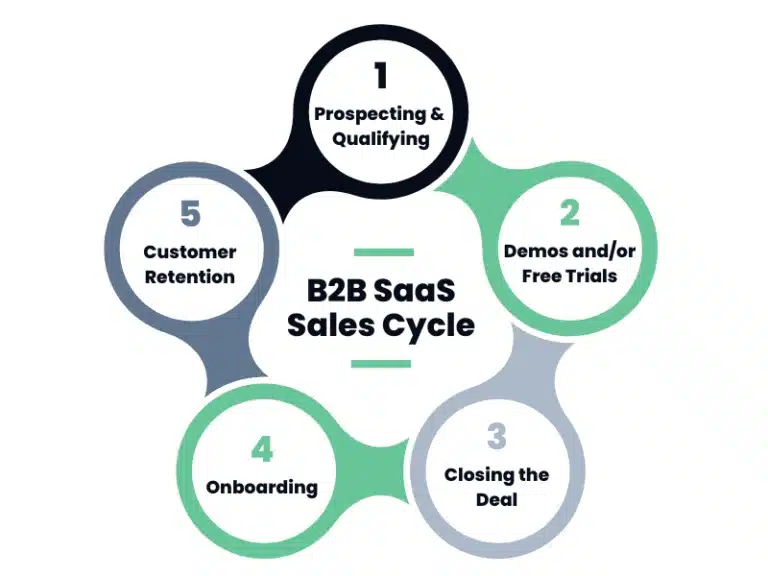
Creating content that resonates with B2B audiences is crucial for successful digital marketing campaigns. By understanding the key elements that make content engaging for B2B buyers, businesses can effectively address their pain points and challenges, ultimately shortening complex sales cycles.
Key Elements of Engaging Content for B2B Audiences
To create content that captivates B2B audiences, consider the following key elements:
- Relevance: Tailor your content to address specific industry challenges and trends relevant to your target audience.
- Value: Provide valuable insights, solutions, and expertise that can help B2B buyers overcome their pain points.
- Authenticity: Build trust by showcasing your expertise and credibility through authentic and transparent content.
- Visual Appeal: Incorporate visually appealing elements such as infographics, videos, and images to enhance engagement.
- Consistency: Maintain a consistent brand voice and messaging across all content to reinforce brand identity.
Tailoring Content to Address B2B Pain Points
When creating content for B2B buyers, it's essential to tailor your messaging to address their specific pain points and challenges. To effectively do so:
- Conduct market research to identify common pain points and challenges faced by B2B buyers in your industry.
- Create content that offers solutions, insights, and best practices to help alleviate these pain points.
- Use case studies, testimonials, and success stories to demonstrate how your products or services can address specific pain points effectively.
Importance of Industry-Specific Content in B2B Digital Marketing
Industry-specific content plays a vital role in B2B digital marketing as it helps businesses:
- Establish thought leadership: By producing content that delves into industry-specific topics, businesses can position themselves as experts in their field.
- Build credibility: Industry-specific content demonstrates a deep understanding of the challenges and opportunities within a particular sector, enhancing credibility with B2B buyers.
- Target niche audiences: Tailoring content to specific industries allows businesses to reach niche audiences more effectively, increasing the chances of engaging with qualified leads.
- Drive conversions: Industry-specific content resonates more with B2B buyers, leading to higher conversion rates and ultimately shortening sales cycles.
Leveraging Data and Analytics in B2B Digital Marketing

Data and analytics play a crucial role in optimizing B2B digital marketing campaigns. By analyzing and interpreting data, businesses can make informed decisions to enhance their marketing strategies and improve overall performance.
Metrics for Measuring Success in B2B Digital Marketing
- Conversion Rate: This metric measures the percentage of website visitors who take a desired action, such as making a purchase or filling out a contact form. A high conversion rate indicates that the marketing efforts are effective in driving customer engagement.
- Lead Generation: Tracking the number of leads generated through digital marketing activities helps businesses understand the effectiveness of their lead generation strategies. By analyzing lead quality and conversion rates, companies can optimize their campaigns for better results.
- ROI (Return on Investment): Calculating the return on investment from digital marketing initiatives is essential for measuring the overall success and profitability of campaigns. By comparing the costs incurred with the revenue generated, businesses can make data-driven decisions for future investments.
Role of A/B Testing in Content Refinement
A/B testing involves creating two versions of a piece of content and testing them against each other to determine which performs better with the target audience. This method allows businesses to refine their content based on data-driven insights and optimize for maximum engagement and conversions.
Popular Questions
What are some examples of common B2B digital marketing strategies?
Common strategies include account-based marketing, email marketing, and social media advertising tailored specifically for business audiences.
How can content help shorten B2B sales cycles?
Content can provide valuable information to prospects at different stages of the buying process, addressing their concerns and guiding them towards a purchase decision faster.
Why is industry-specific content important in B2B digital marketing?
Industry-specific content helps businesses establish authority and credibility within their niche, resonating better with targeted B2B audiences and driving conversions.
What role does data and analytics play in optimizing B2B digital marketing campaigns?
Data and analytics offer insights into audience behavior, campaign performance, and ROI, enabling marketers to make data-driven decisions and enhance campaign effectiveness.
How can A/B testing refine content for B2B audiences?
A/B testing allows marketers to experiment with different content variations, determining which resonates best with B2B audiences and optimizing content for improved engagement and conversion rates.