

Telehealth Adoption Trends

Telehealth adoption by healthcare digital agencies has seen a significant rise in recent years, driven by the need for remote healthcare services and the advancement of technology. Modern patients are increasingly turning to telehealth solutions for their healthcare needs, leading to improved access to medical care and better patient outcomes.
Successful Implementation of Telehealth Solutions
- Virtual consultations: Healthcare digital agencies are providing platforms for patients to consult with healthcare professionals remotely, allowing for quick access to medical advice and treatment.
- Remote monitoring: Patients are utilizing telehealth solutions to monitor their health conditions from the comfort of their homes, reducing the need for frequent in-person visits.
- Prescription management: Telehealth platforms are enabling patients to easily request prescription refills and receive medication without visiting a physical pharmacy.
Impact on Healthcare Accessibility and Patient Outcomes
Telehealth has greatly improved healthcare accessibility, especially for individuals in remote areas or with limited mobility. Patients can now receive medical care without the need to travel long distances, leading to increased convenience and timely interventions.
Furthermore, telehealth has shown to enhance patient outcomes by promoting continuous monitoring, early detection of health issues, and better adherence to treatment plans, resulting in improved overall health and well-being.
Technology Integration in Telehealth
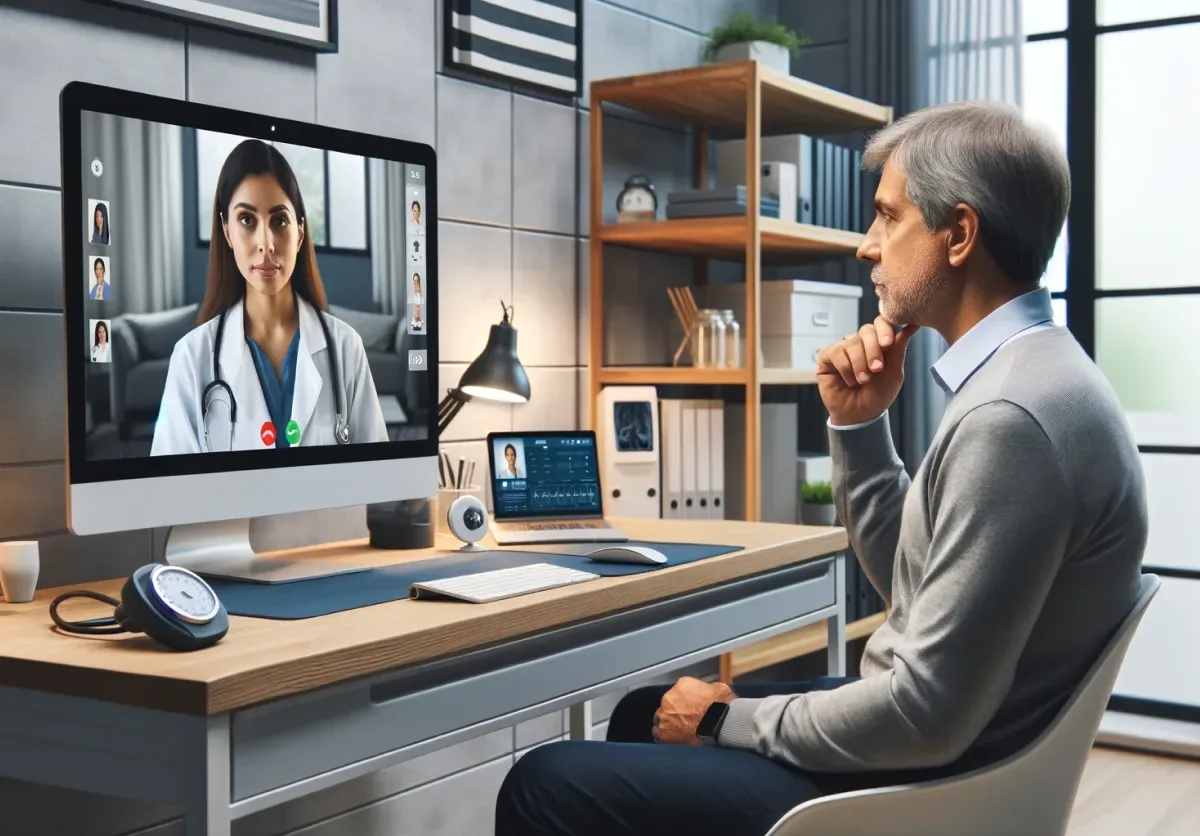
In the ever-evolving landscape of healthcare, digital agencies are continuously integrating advanced technologies like AI, IoT, and wearables into telehealth solutions to enhance patient care and access to medical services.
Telehealth Platforms for Virtual Consultations
- One popular telehealth platform used by modern patients is Amwell, which offers video visits with healthcare providers for various medical concerns.
- Another widely used platform is Teladoc, allowing patients to connect with doctors remotely for diagnoses, treatment plans, and prescriptions.
- Doctor on Demand is also a preferred choice, providing on-demand video consultations with licensed physicians for quick medical advice.
Cybersecurity Measures in Telehealth Solutions
Implementing robust cybersecurity measures is crucial in telehealth solutions to safeguard patient data and maintain privacy. Digital agencies prioritize encryption techniques, secure networks, and strict access controls to protect sensitive information shared during virtual consultations.
Patient Engagement Strategies

Patient engagement is crucial in telehealth services to ensure positive outcomes and patient satisfaction
Personalized Patient Experiences
- Healthcare digital agencies utilize patient data to tailor telehealth services to individual needs and preferences.
- Personalized treatment plans and follow-up care are designed based on patient demographics, medical history, and health goals.
- Interactive platforms allow patients to access their health records, schedule appointments, and communicate with healthcare providers conveniently.
Role of Virtual Assistants or Chatbots
- Virtual assistants or chatbots enhance patient engagement by providing instant support and information round the clock.
- Automated reminders for medication adherence, upcoming appointments, and health tips improve patient compliance and involvement in their care.
- Virtual assistants can triage patient queries, offer self-care guidance, and escalate urgent issues to healthcare professionals promptly.
Regulatory Compliance in Telehealth
Healthcare digital agencies face numerous regulatory challenges when implementing telehealth solutions, especially when it comes to ensuring compliance with legal requirements and standards.
Legal Requirements and Standards for Telehealth Services
- Telehealth services must comply with state laws regarding licensure, practice standards, and reimbursement policies.
- Agencies need to follow the guidelines set by the Health Insurance Portability and Accountability Act (HIPAA) to protect patient privacy and data security.
- Compliance with the Health Information Technology for Economic and Clinical Health (HITECH) Act is crucial to ensure the secure exchange of electronic health information.
Ensuring Compliance with HIPAA Regulations
Healthcare digital agencies implement various strategies to ensure compliance with HIPAA regulations in telehealth platforms:
- Implementing strict access controls and encryption measures to protect patient data.
- Conducting regular security assessments and audits to identify and address any vulnerabilities in the system.
- Training staff members on HIPAA regulations and privacy practices to maintain compliance.
- Obtaining business associate agreements with third-party vendors to ensure they also adhere to HIPAA regulations.
Commonly Asked Questions
What are some common challenges faced by healthcare digital agencies in implementing telehealth solutions?
Some common challenges include ensuring data security, regulatory compliance, and integrating new technologies effectively.
How do telehealth platforms benefit modern patients?
Telehealth platforms offer convenience, accessibility to healthcare services from anywhere, reduced wait times, and personalized care options.
What role do virtual assistants play in enhancing patient engagement in telehealth services?
Virtual assistants help streamline communication, provide quick answers to patient queries, and enhance overall patient experience in telehealth consultations.