

Overview of Digital Marketing Agencies in Financial Services
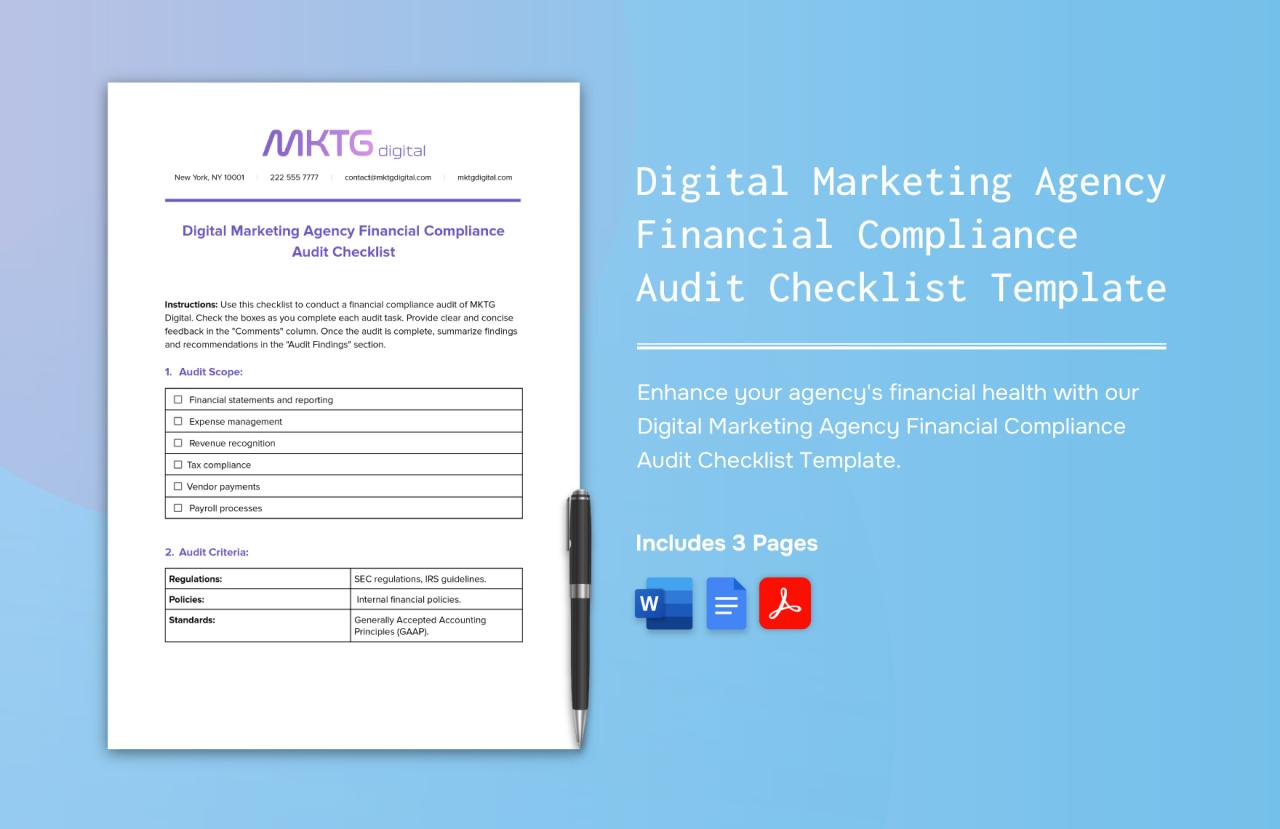
Digital marketing agencies play a crucial role in the financial services sector by helping companies reach their target audience, increase brand awareness, and generate leads through various digital channels. These agencies specialize in creating and implementing strategic marketing campaigns tailored to the specific needs of financial services companies.Using a digital marketing agency offers numerous benefits for financial services companies.
These include access to expertise in digital marketing strategies, the ability to stay up-to-date with the latest trends and technologies, and the opportunity to maximize ROI through targeted and data-driven campaigns. By partnering with a digital marketing agency, financial services companies can effectively navigate the complex regulatory environment and compliance requirements in the US and UK.
Examples of Successful Digital Marketing Campaigns in Financial Services
- Bank of America's "Life Plan" Campaign: Bank of America launched a digital marketing campaign focused on financial planning and education, helping customers set and achieve their financial goals. The campaign utilized a mix of social media, email marketing, and content marketing to engage with customers and drive conversions.
- TD Ameritrade's "Human Finance" Campaign: TD Ameritrade's digital marketing campaign centered around the idea of "humanizing finance" by showcasing real stories of how their services helped individuals achieve their financial dreams. The campaign resonated with audiences and helped position TD Ameritrade as a trusted financial partner.
- Charles Schwab's "Own Your Tomorrow" Campaign: Charles Schwab's digital marketing campaign focused on empowering consumers to take control of their financial future. Through a combination of targeted ads, personalized content, and interactive tools, the campaign successfully attracted new clients and increased brand loyalty.
Compliance Requirements for Financial Services Marketing in the US and UK
In the realm of digital marketing for financial services, navigating compliance requirements is crucial to ensure transparency and trust with customers. Let's delve into the regulatory framework for digital marketing in the financial services industry in the US and UK, comparing and contrasting the compliance requirements between the two regions and discussing the implications of non-compliance.
Regulatory Framework in the US
In the US, financial services marketing is governed by various regulatory bodies such as the Securities and Exchange Commission (SEC), the Financial Industry Regulatory Authority (FINRA), and the Consumer Financial Protection Bureau (CFPB). These entities enforce rules and regulations to protect consumers, maintain market integrity, and prevent fraudulent activities in the financial sector.
- Financial promotions must adhere to the guidelines set forth by the SEC and FINRA, ensuring that all content is accurate and not misleading to investors.
- Privacy laws such as the Gramm-Leach-Bliley Act require financial institutions to safeguard customer information and provide clear disclosures on data usage.
- Anti-money laundering (AML) regulations mandate the implementation of robust compliance programs to detect and prevent financial crimes within the industry.
Compliance Requirements in the UK
Similarly, in the UK, financial services marketing is regulated by the Financial Conduct Authority (FCA) and the Advertising Standards Authority (ASA). These bodies oversee advertising practices, financial promotions, and consumer protection in the financial services sector.
- The FCA's Conduct of Business Sourcebook (COBS) sets out rules for fair treatment of customers, ensuring that financial products are marketed responsibly and transparently.
- The UK Data Protection Act and the General Data Protection Regulation (GDPR) require financial institutions to obtain explicit consent for data processing and protect individuals' privacy rights.
- Compliance with the Payment Services Regulations helps maintain the security and integrity of payment services offered by financial institutions.
Implications of Non-Compliance
Non-compliance with regulatory requirements in digital marketing for financial services can lead to severe consequences, including fines, reputational damage, legal actions, and loss of consumer trust. Violations of data privacy laws or misleading advertising practices can result in regulatory sanctions and tarnish the reputation of financial institutions, impacting their bottom line and future business opportunities.
Strategies for Navigating Compliance Challenges
In the ever-evolving landscape of digital marketing for financial services, navigating compliance challenges is crucial to maintain trust and credibility with customers and regulatory bodies.
Best Practices for Ensuring Compliance in Digital Marketing for Financial Services
- Regularly review and update compliance policies to align with changing regulations.
- Implement robust training programs for staff to ensure awareness of compliance requirements.
- Utilize compliance monitoring tools to track and audit digital marketing activities.
Tips for Creating Compliant Content for Financial Services Marketing Campaigns
- Clearly disclose all terms and conditions in marketing materials to avoid misleading customers.
- Avoid making exaggerated claims or promises that cannot be substantiated.
- Ensure all content is accurate, up-to-date, and compliant with relevant laws and regulations.
The Importance of Monitoring and Adapting Strategies to Meet Changing Compliance Requirements
In the dynamic regulatory environment of the financial services industry, monitoring and adapting strategies is essential to stay compliant. By staying vigilant and proactive, financial services digital marketers can mitigate risks and maintain a strong reputation in the market.
Essential FAQs
What are some best practices for ensuring compliance in digital marketing for financial services?
Answer
How do compliance requirements for financial services marketing differ between the US and UK?
Answer
Why is monitoring and adapting strategies important to meet changing compliance requirements in digital marketing for financial services?
Answer