
Challenges of Legacy Systems
Legacy systems, often characterized by outdated technology and architectures, present numerous challenges for companies looking to undergo digital transformation. These challenges can significantly impede business operations and hinder growth if not addressed effectively.
Specific Bottlenecks
Legacy systems create specific bottlenecks that can slow down digital transformation initiatives. Some of these bottlenecks include:
- Lack of Integration: Legacy systems are often siloed and do not easily integrate with modern technologies, leading to data inconsistencies and inefficiencies.
- Obsolete Technology: Outdated technologies in legacy systems make it difficult to support new functionalities and can result in increased maintenance costs.
- Security Vulnerabilities: Legacy systems are more susceptible to security breaches due to outdated security protocols and lack of updates.
- Limited Scalability: Legacy systems may not be able to scale effectively to meet the growing demands of a digital business environment, leading to performance issues.
Impact on Business Processes
The impact of outdated technologies in legacy systems on business processes can be profound. It can lead to:
- Reduced Efficiency: Legacy systems often require manual workarounds and lack automation capabilities, leading to inefficiencies in business processes.
- Decreased Innovation: Inflexible legacy systems hinder the ability to adopt new technologies and innovative solutions, limiting business innovation.
- Higher Costs: Maintaining and supporting legacy systems can be costly due to the need for specialized skills and resources, diverting funds from strategic initiatives.
- Compliance Risks: Legacy systems may not meet current regulatory requirements, exposing the organization to compliance risks and potential penalties.
Strategies for Overcoming Legacy System Bottlenecks
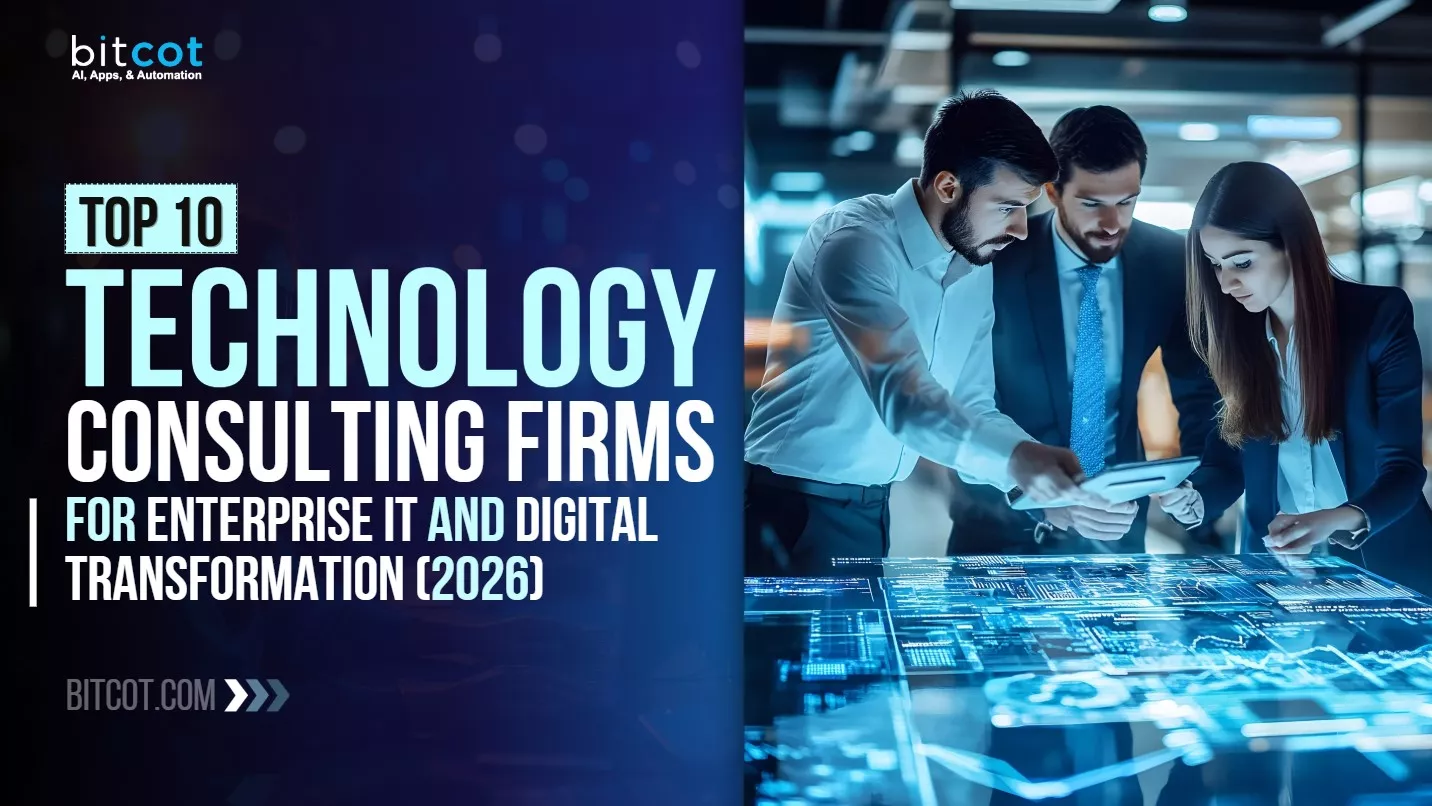
Legacy systems can often pose significant challenges for organizations looking to innovate and stay competitive in the digital age. However, top digital transformation consulting firms have developed strategies to help overcome these obstacles and modernize legacy systems effectively.When assessing legacy systems, consulting firms typically start by conducting a thorough review of the existing infrastructure, applications, and processes.
This assessment helps identify bottlenecks, inefficiencies, and areas that require improvement. By gaining a comprehensive understanding of the legacy system, consultants can develop a tailored strategy for modernization.
Best Practices for Integrating New Technologies with Legacy Systems
- Identifying key integration points: Consulting firms carefully identify the crucial touchpoints where new technologies can be seamlessly integrated with legacy systems without disrupting existing operations.
- Implementing middleware solutions: Middleware software can act as a bridge between legacy systems and modern applications, facilitating data exchange and communication.
- Leveraging APIs: Application Programming Interfaces (APIs) enable legacy systems to interact with new technologies, allowing for smooth integration and functionality.
Methods for Mitigating Risks During the Transition Process
- Incremental modernization: Instead of a complete overhaul, consulting firms often recommend a phased approach to modernizing legacy systems to minimize risks and disruptions.
- Testing and validation: Rigorous testing and validation processes are essential to ensure that the integration of new technologies does not compromise the integrity or security of the legacy system.
- Change management: Effective change management practices help organizations navigate the transition process smoothly, ensuring that employees are adequately trained and prepared for the changes.
Case Studies and Success Stories
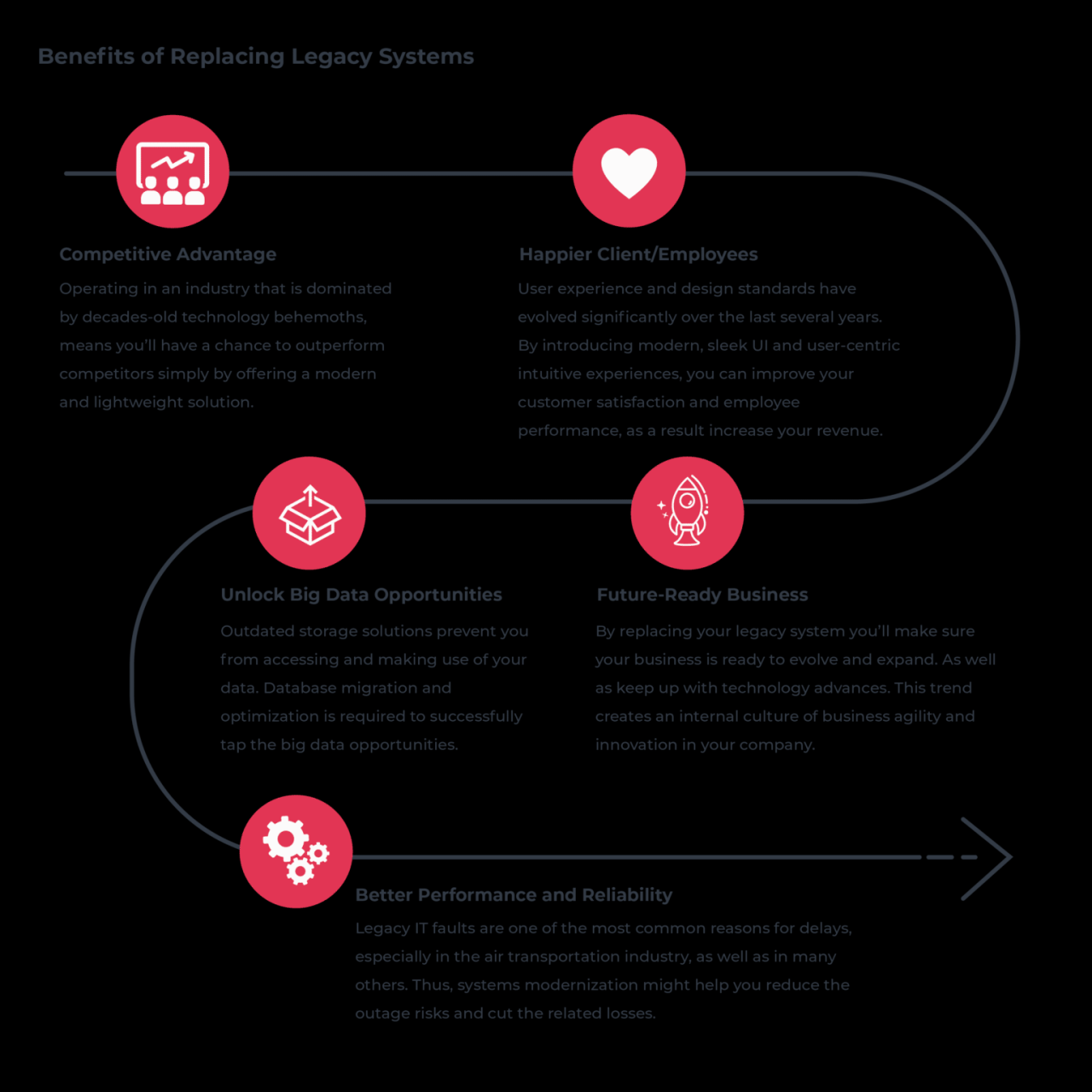
When it comes to digital transformation, real-world examples of successful projects can provide valuable insights into how consulting firms help companies overcome legacy system challenges and reap the benefits of modernization
Case Study 1: Retail Industry Transformation
- A leading retail company was struggling with outdated legacy systems that hindered their ability to scale and innovate.
- Working with a top digital transformation consulting firm, the company underwent a comprehensive modernization process.
- By migrating to a cloud-based infrastructure and implementing advanced analytics tools, the company was able to streamline operations, enhance customer experience, and achieve significant cost savings.
- The successful transformation not only boosted the company's competitiveness but also opened up new revenue streams.
Case Study 2: Financial Services Digitalization
- A financial services firm faced challenges with siloed data systems and manual processes that were slowing down decision-making and customer service.
- Through collaboration with a digital transformation consulting firm, the company implemented a unified data platform and automated workflows.
- As a result, the firm saw a dramatic improvement in operational efficiency, compliance, and agility in responding to market changes.
- The modernization efforts led to increased customer satisfaction, reduced risks, and improved bottom-line performance.
Success Story: Manufacturing Industry Upgrade
- An established manufacturing company was grappling with legacy machinery and outdated processes that were affecting productivity and quality control.
- With the guidance of a top consulting firm specializing in digital transformation, the company embarked on a journey to integrate IoT technologies and data analytics into their operations.
- The implementation resulted in predictive maintenance capabilities, real-time monitoring of production lines, and optimized supply chain management.
- By modernizing their legacy systems, the company achieved significant cost savings, improved product quality, and gained a competitive edge in the industry.
Tools and Technologies Used
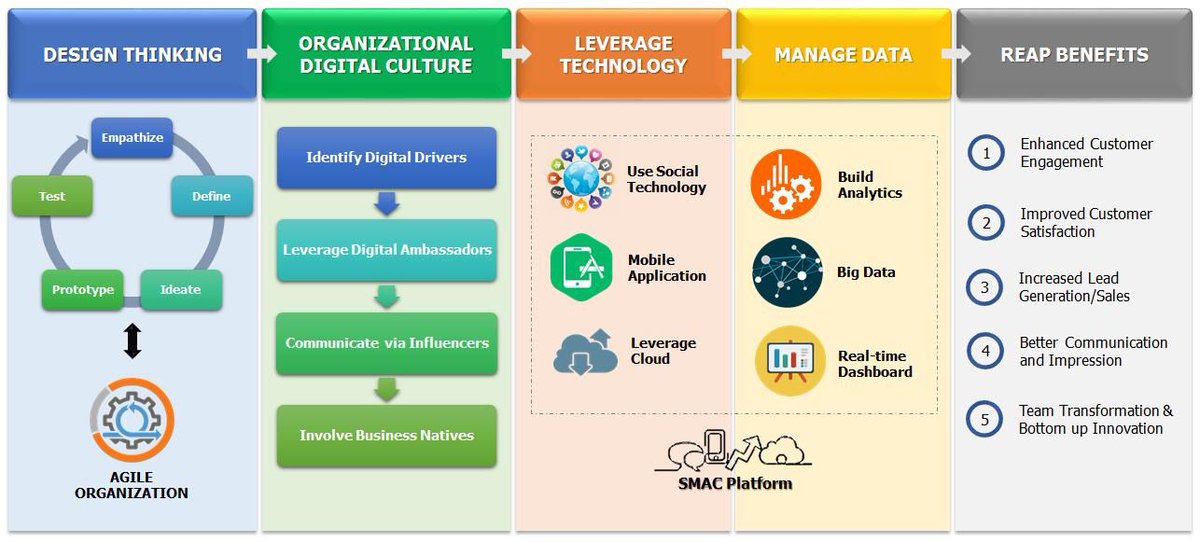
Consulting firms utilize a variety of essential tools and technologies to effectively address legacy system bottlenecks. These tools are crucial in streamlining the modernization process and ensuring a smooth transition from outdated systems to more advanced solutions.
Automation and AI in Upgrading Legacy Systems
Automation and Artificial Intelligence (AI) play a significant role in upgrading legacy systems. These technologies help in automating repetitive tasks, identifying inefficiencies, and predicting potential issues before they arise. By leveraging automation and AI, consulting firms can expedite the modernization process and enhance the overall performance of legacy systems.
Comparison of Technologies for Legacy System Modernization
When it comes to modernizing legacy systems, consulting firms have access to a range of technologies. This includes containerization, microservices architecture, API integration, cloud computing, and low-code platforms. Each technology offers unique benefits and capabilities, allowing consulting firms to tailor their approach based on the specific needs of the legacy system and the organization.
By comparing and selecting the most suitable technologies, consulting firms can effectively overcome legacy system bottlenecks and drive successful digital transformations.
General Inquiries
How can legacy systems hinder digital transformation progress?
Legacy systems can impede digital transformation by limiting scalability, integration capabilities, and agility in adapting to changing market demands.
What are some key strategies for integrating new technologies with legacy systems?
Consulting firms often recommend phased approaches, API integrations, and gradual system upgrades to seamlessly blend new technologies with legacy systems.
How do automation and AI play a role in upgrading legacy systems?
Automation and AI streamline processes, enhance efficiency, and reduce manual intervention, facilitating the modernization of legacy systems with minimal disruption.